Traffic Today: A Global Challenge
In today’s fast-paced world, traffic has become more than just a daily inconvenience—it’s a global crisis. With the world’s population surpassing 8 billion and the number of registered vehicles climbing past 1.4 billion, the pressure on roads has never been greater. Every year, over 1.19 million people lose their lives in road accidents, while millions more suffer serious injuries. Congested cities, unsafe roads, and weak enforcement of laws add to the growing burden, with pedestrians, cyclists, and motorcyclists often paying the highest price. From endless traffic jams to devastating road fatalities, the situation highlights the urgent need for smarter infrastructure, stronger safety measures, and innovative traffic management solutions.
- Growth of population
| Country | 2011 Population (millions) | 2021 Population (millions) | 2025 Population (millions) |
| India | 1,210.9 | 1,414.2 | 1,463.9 |
| China | 1,344.0 | 1,414.0 | 1,416.1 |
| United States | 311.6 | 331.4 | 347.3 |
| Indonesia | 242.3 | 276.4 | 285.7 |
| Pakistan | 182.1 | 225.2 | 255.2 |
| Nigeria | 162.5 | 211.4 | 237.5 |
| Brazil | 195.7 | 213.3 | 212.8 |
- growth of vehicle
| Country | 2011 Vehicles (millions) | 2021 Vehicles (millions) | 2025 Vehicles (millions) |
| India | 141 | 326 | 410 |
| China | 93 | 302 | 420 |
| United States | 240 | 276 | 290 |
| Indonesia | 60 | 112 | 145 |
| Pakistan | 13 | 26 | 38 |
| Nigeria | 8 | 13 | 18 |
| Brazil | 65 | 104 | 118 |
- Road Network
| Country | National Highways 2011 (km) | National Highways 2021 (km) | State Highways 2011 (km) | State Highways 2021 (km) |
| India | 71,772 | 140,152 | 154,522 | 186,528 |
| China | 85,000 | 161,000 | Not Available | Not Available |
| United States | 77,000 (Interstate) | 79,000 (Interstate) | 700,000+ (State) | 730,000+ (State) |
| Indonesia | 950 | 2,300 | 38,000 | 42,000 |
| Pakistan | 8,400 | 12,000 | 13,000 | 15,500 |
| Nigeria | 32,000 | 35,000 | 50,000 | 53,000 |
| Brazil | 65,000 | 75,000 | 180,000 | 190,000 |
Why traffic solution is necessary
Over the past decades, the world has witnessed a sharp rise in population, a surge in vehicle registrations, and steady but comparatively slower growth in road networks. Countries like India, China, and Nigeria have added hundreds of millions of people and vehicles, creating immense pressure on existing infrastructure. While national and state highways have expanded, their growth lags far behind the pace of population and vehicle increases. This imbalance results in overcrowded roads, frequent traffic jams, rising accident rates, and environmental pollution. The widening gap clearly shows that without sustainable transport planning, smarter traffic systems, and improved public mobility solutions, road networks alone cannot meet the demands of rapidly growing populations and vehicle ownership.
Next Step Solution of Traffic
Smart Traffic Management
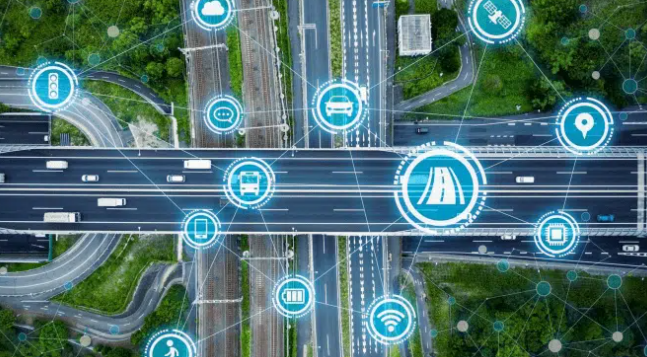
The future of traffic management lies in the fusion of AI and IoT sensors, creating an ecosystem where signals think and adapt in real time. Instead of relying on fixed timers, smart traffic lights powered by artificial intelligence can analyse live traffic flow through IoT sensors, cameras, and GPS data. These systems adjust signal timings dynamically, reducing congestion, cutting down idle fuel consumption, and improving emergency vehicle movement. By learning patterns and predicting peak hours, Traffic 2.0 not only optimizes road usage but also contributes to cleaner air and safer streets. It’s a smarter, more responsive approach to urban mobility where technology takes the driver’s seat in managing traffic chaos.
Modern cities are moving beyond traditional traffic reports to embrace real-time monitoring systems powered by AI, IoT, and big data. Smart sensors, connected vehicles, and GPS-enabled devices continuously feed live traffic data to centralized platforms, creating a dynamic map of road conditions. Using machine learning, these systems can predict traffic build-ups before they occur alerting drivers, adjusting signal timings, and even rerouting vehicles automatically. Real-time prediction not only reduces congestion and travel delays but also supports emergency response, public transport scheduling, and overall road safety. By turning raw traffic data into actionable insights, cities gain the power to stay one step ahead of jams, accidents, and bottlenecks.
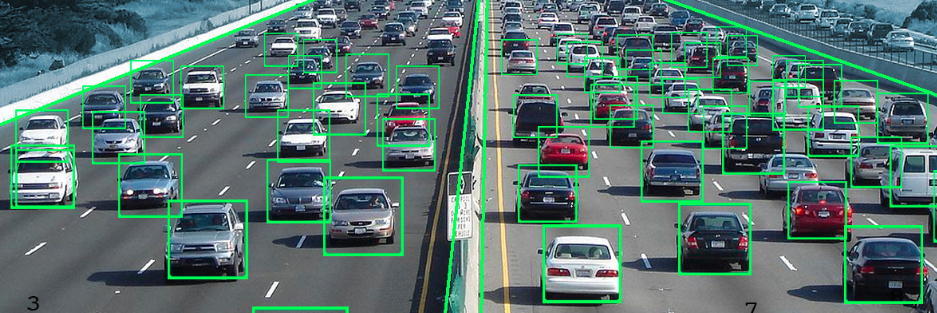
predictive traffic forecasting
Predictive traffic forecasting is the next step in intelligent traffic management. Instead of just reacting to congestion after it happens, this system uses data and AI to predict traffic patterns in advance. By analyzing factors such as vehicle density, weather, time of day, special events, and even road construction updates, it forecasts where and when traffic jams are likely to occur
This approach combines real-time data from IoT sensors, GPS devices, and cameras with historical traffic patterns. Machine learning models process this information to create accurate forecasts of traffic flow minutes, hours, or even days ahead.
For example, predictive forecasting can warn commuters about an upcoming jam on a highway due to rush-hour spikes or expected rainfall. It can also alert city authorities in advance, so they can adjust traffic signals, open alternative routes, or prioritize public transport.
Integrated Mobility – Connecting Every Mode of Transport
Integrated Mobility means creating a seamless, connected transportation ecosystem where all modes of travel like cars, buses, trains, metros, bikes, ride-sharing, and even walking—work together instead of separately.
In traditional systems, each mode functions in isolation, causing delays, confusion, and inefficiency. But with Traffic 2.0, advanced technologies like AI, IoT, and data-sharing platforms bring everything under one umbrella. For example, a commuter can plan a journey where a bus connects perfectly with a metro, or a bike-sharing option is suggested after a train ride, all in real time.
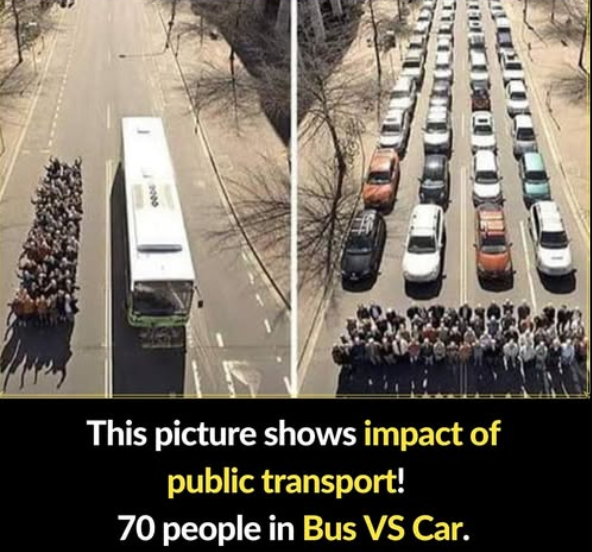
This approach reduces waiting time, traffic congestion, and fuel use, while promoting public transport and eco-friendly travel. Integrated mobility also makes life easier with one app or smart card that manages tickets, payments, and route planning across different modes.
Data as the New Fuel – Powering Smarter Traffic
Vehicles run on petrol, diesel, or electricity, modern traffic systems run on real-time and historical data. Every car movement, every signal change, and every commuter journey generates valuable insights that can transform how cities manage mobility.
With the help of IoT sensors, GPS devices, cameras, and mobile apps, enormous amounts of data are collected every second. This data, when processed by AI and machine learning, helps authorities predict congestion, optimize traffic signals, design better road networks, and even prevent accidents.
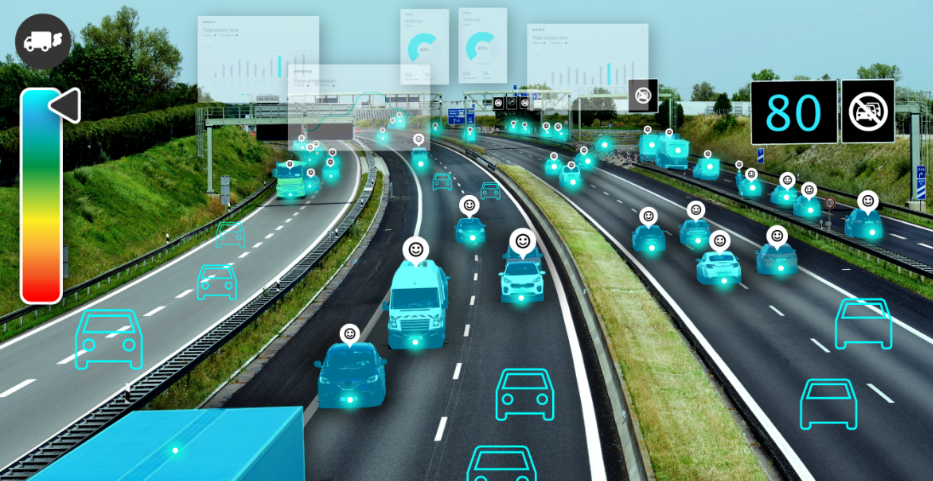
For example, if data shows that a particular intersection faces heavy traffic every morning between 8–10 AM, AI can automatically adjust signal timings or recommend alternative routes to drivers. Similarly, data-driven planning ensures new flyovers, metro lines, and bus routes are built where they are needed most.
By treating data as fuel, cities move from reactive traffic control to predictive and proactive traffic management—creating safer, faster, and greener journeys for everyone.
Accident Detection & Emergency Response
In the era of smart mobility, rapid accident detection and swift emergency response are becoming game changers. IoT sensors, connected vehicles, and AI-driven cameras can instantly detect unusual impacts, sudden stops, or hazardous movements on the road. These systems automatically alert emergency services with precise location data, reducing response time and potentially saving thousands of lives each year. Integrated with traffic management, they can also create priority lanes for ambulances and fire trucks by dynamically controlling signals. By combining technology with emergency infrastructure, cities can shift from reactive to proactive road safety, ensuring that help reaches the scene when every second counts.
Autonomous Vehicle Readiness
The rise of autonomous vehicles (AVs) is reshaping the future of mobility, but cities must prepare their infrastructure to unlock its full potential. Smart highways, AI-driven traffic control, and 5G-powered IoT networks are essential for safe AV navigation. Real-time communication between vehicles and road systems (V2X) can prevent accidents, optimize fuel use, and reduce congestion. However, readiness is not only about technology—it also requires new traffic policies, safety regulations, and public trust. By planning today, nations can ensure a seamless transition to driverless mobility, making roads safer, cleaner, and more efficient tomorrow.
Smart Commuter Apps
As cities grow smarter, commuter apps are evolving into digital companions that not only guide the fastest route but also encourage greener, safer, and more cost-effective travel.
Traffic 2.0 is not just about signals and vehicles—it’s about making our daily travel smoother, safer, and greener. With the help of smart technology like AI, sensors, and real-time data, we can reduce jams, save fuel, prevent accidents, and make roads friendlier for everyone.
Leave a Reply